


Neurosurgery
- Neurosurgery
- 🚗 Traumatic Brain injury (TBI) 🔒
- 🩸 Hemorrhagic stroke
- 🧠 Brain tumors 🔒
- 🎍 Spine pathologies 🔒
- 👶🏽 Congenital malfomation of the CNS 🔒
🚗 Traumatic Brain injury (TBI) 🔒

🩸 Hemorrhagic stroke
- Aneurysm (SAH) (#1)
- HT (primary intra-parenchymal) [+Amyloidosis]
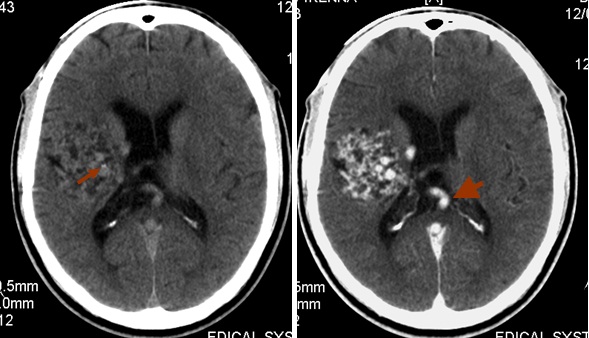
- AVM (parenchymal / SAH)
intima + adventitia 📷
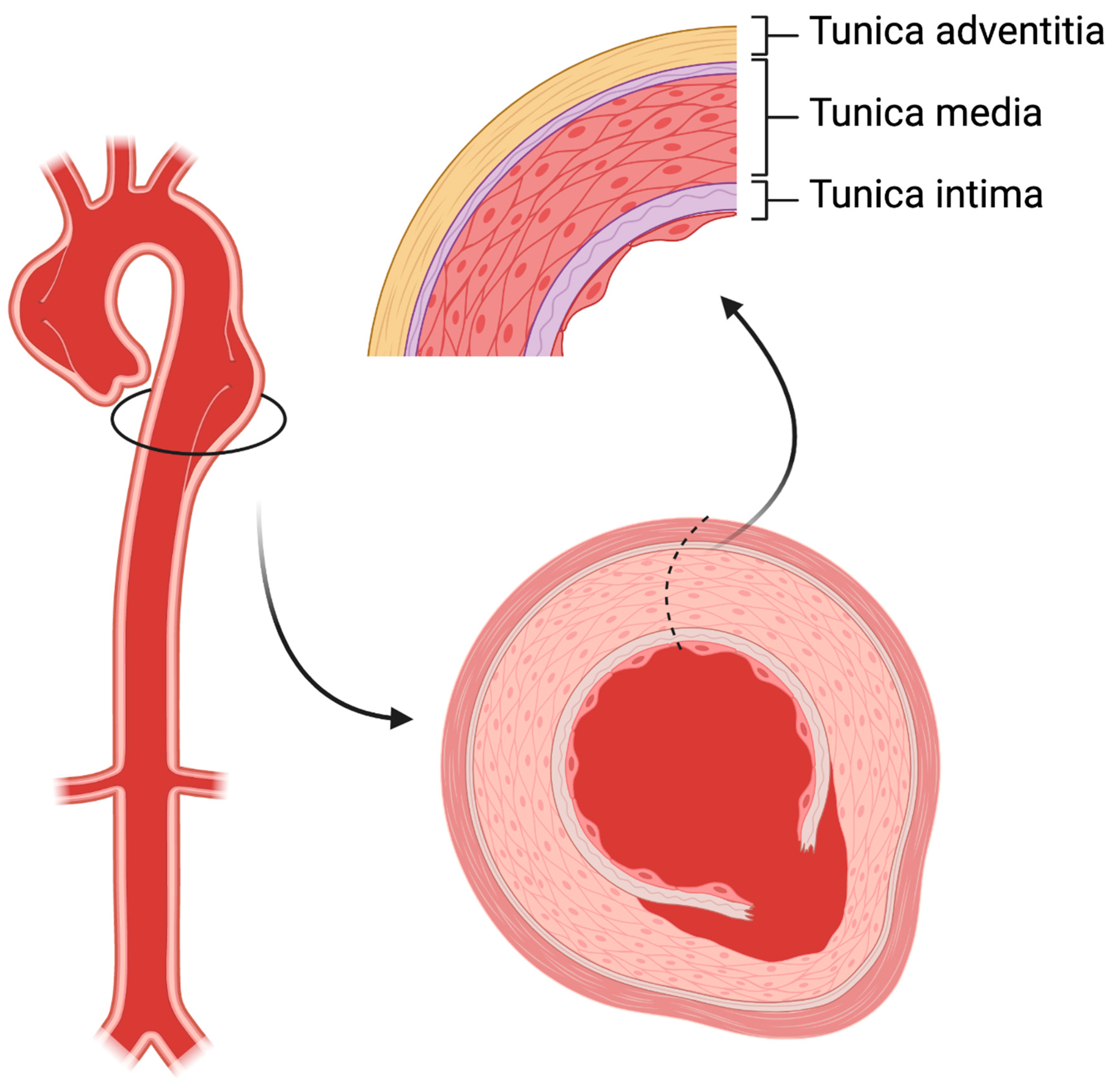
dome (apex) 📷 = minimal resistance area

5-10mm
Classification - dimensions: • <3 mm (microaneurysm) • 4 - 6 mm (small) • 7 - 10 mm (medium) • 11 - 24 mm (large) • >25 mm (GIANT)
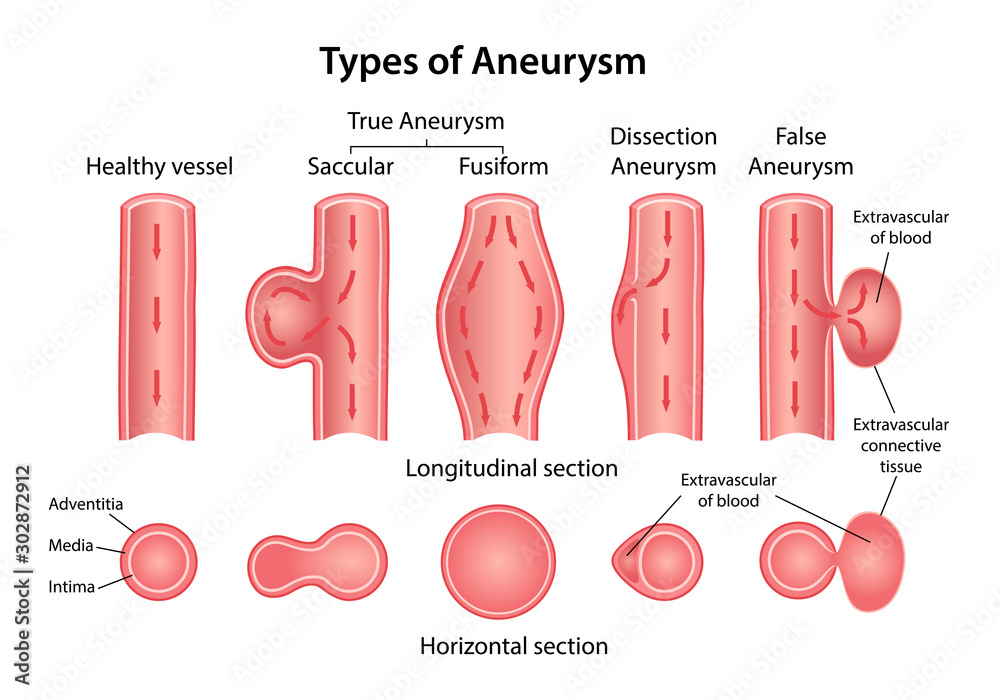
- Bleeding → SAH
- Cerebral herniation (transtentorial → brainstem)
- Acute hydrocephalus (sylvian aqueduct obstruction)
- Vasospasm (Critical period day 4-12)) ⇒ ischemia ⇒ ↓neuro-status
- Rebleeding → 70% die at rebleed
- Chronic hydrocephalus (due to malabsorption, Øobstruction)
- Thunderclap headache
- Meningeal syndrome
- ↑ICP → Neurologic deficit + Loss of conciousness

Survival rates:
GOOD (SV 96%) - grades 1-2 MEDIUM (SV 90%) - grade 3 POOR (SV 72%) - grade 4 RESERVED (SV 50 %) - grade 5
⭐ Star sign ⇒ 📷

Brain angioography = gold standard
brain angio-CT = imaging standard

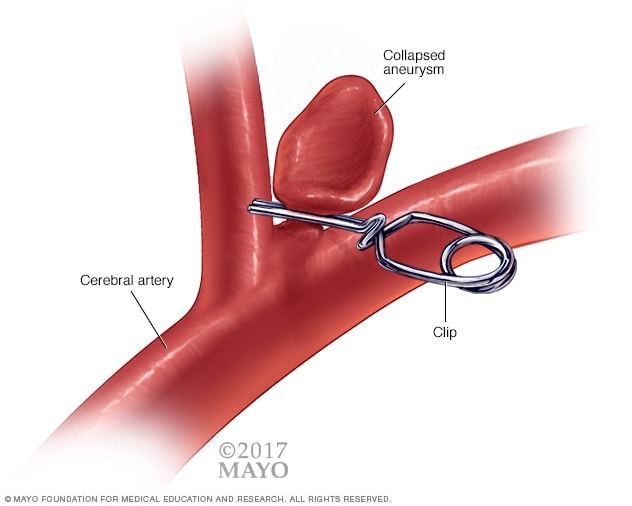
clipping 📷 ⇒ aneurysm neck
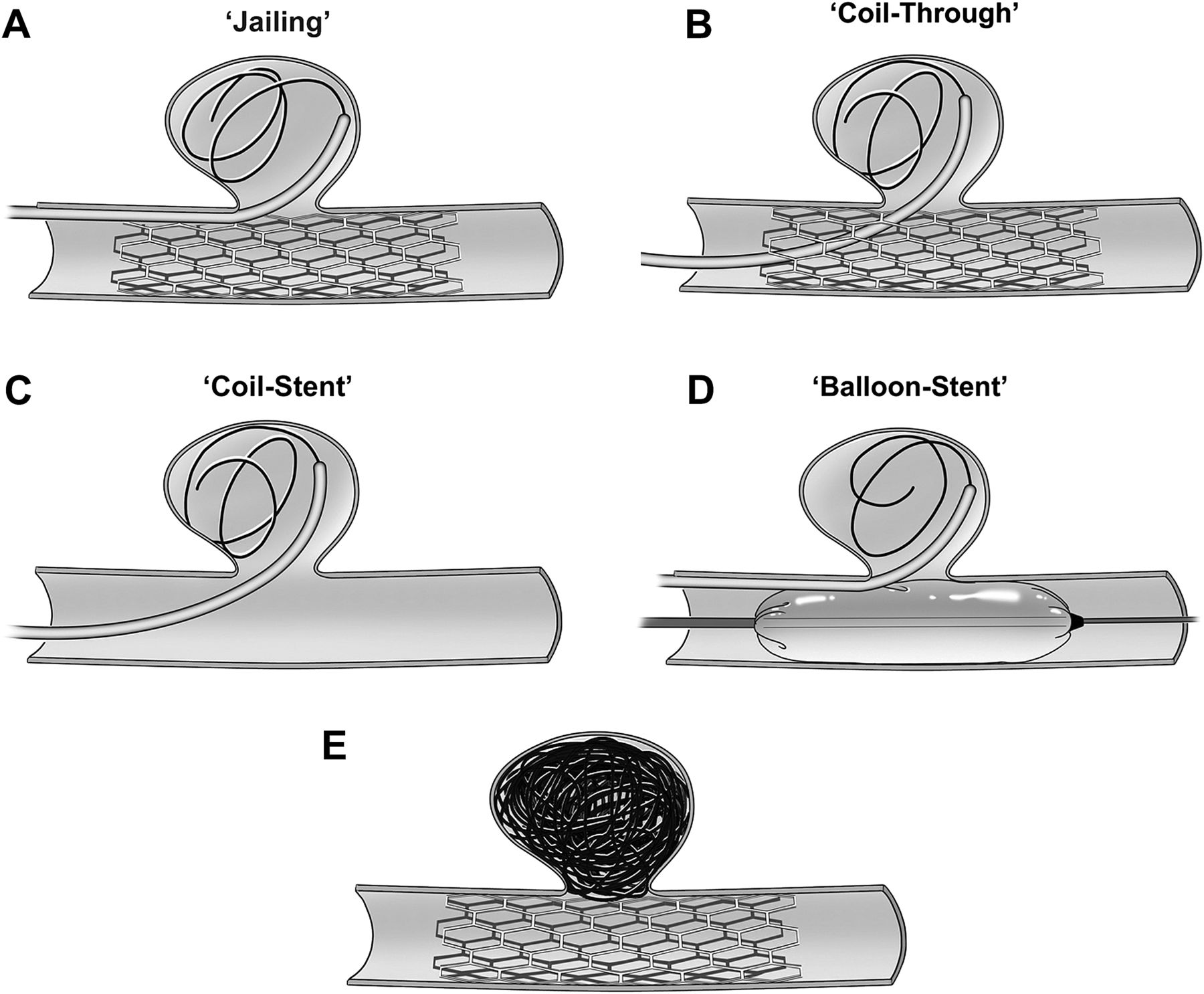
- coiling fails
- Aneurysm: large neck, giant aneurysm
- Location: MCA OR Ant. circulation+young (life expectancy >15y)
angiography
- ↑Survival w/o disability
- ↓ hospitalization
- ↓short-term complication
- ↑risk for Re-permeabilization
- Need for pre-angiography
- ↑cost (long term)

- Progressive neurologic deficit (Epilepsy, headache, FND)
- Children → Vascular steal → cardiac insuff.
- There is an effect of impaired perfusion of the cerebral tissue surrounding the AVM ⇒ diversion to AVM = vascular steal phenomenon
- Vascular steal is said to be the cause of progressive neuro deficits and psychiatric behaviors/manifestations seen in some AVM patients
Vascular steal:
⇒ PICTURE

- Embolization (endovascular)
- Gamma-knife
- Surgery
Grading:
- AVM size
- small (<3cm) = 1pt.
- medium (3-6cm) = 2pt.
- large (>6cm) = 3pt.
- Adjacent parenchyma eloquence
- non-eloquent = 0pt.
- eloquent = 1pt.
- Venous drainage
- superficial = 0pt.
- deep = 1pt.
⇒ add points together = grade
Tx depending on grade:
Grade 1-2 = minor operative risk, other options: radiosurg. / endovasc. Grade 3 = surgery Grade 4 = surgery (high risk) Grade 5 = selective embolization + surgery / embolization/ observe
T ⇒ symptoms may persist + repermeabilization!
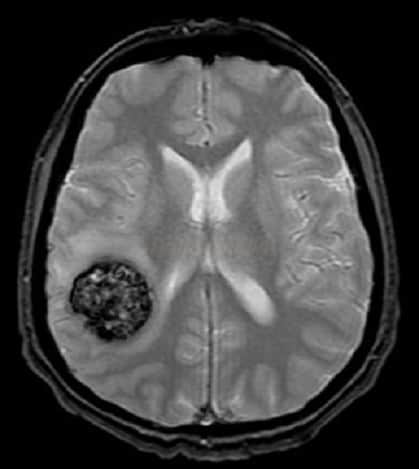
- ASYMPTOMATIC
- Hemorrhage
- Mass effect → headache + seizures, FND
observation
F ⇒ useless
#1 gamma knife
(⇒ surgery if emergency)
Anticoagulants!
(+classic CV-RF)
CT ⇒ exclusion DDx (aneurysm, AVM, tumor)
⇒ DYNAMIC EVALUATION! (repeat)
- Medical Tx
- vital function
- ↓ICP
- Anti-hypertensive drugs
- Correct Coagulation
- Surgery
- Clinical
- ↑ICP
- Neurolog. detoriation
- <50y
- Imaging:
- 10-30 cm3
- Location:
- Lobar
- Cerebellum
- Neurologic status on admission (↓Conciousness)
- Bleeding characteristics
- ↑Size
- Location (brainstem damage?, deep?)
- Origin (AVM>Aneurysm>PIH)
- Patient aspects
- Age + Comorbidities
- Coagulopathy
🧠 Brain tumors 🔒
🎍 Spine pathologies 🔒
- Spine & Spinal cord injury
- Disc herniation
- Spinal cord compressive tumors