


Diabetology
🧙🏽♂️ Overview
⛲ Basics 🔒
Non-communicable diseases
CV Risk

🍬 Diabetes Mellitus
defect of insulin secretion and/or insulin action
→ chronic hypergylcemia w/ disturbances in fat, carbohy, prot metabolism
→ microvascular → retinopathy, nephropathy, neuropathy
→ macrovascular → CV, cerebrovascular, PAD
<110 mg/dl
<140 mg/dl
Basal: > 126 mg/dl
2h OGTT > 200 mg/dl
Random > 200 mg/dl
Fasing plasma gluc < 126 mg/dl
AND
OGTT between 140 - 200 mg/dl

>6,5% → diabetes
6-6,5% → prediabetes - increased risk,prevention important!
- DM yes/no
- What Type
- Micro and macrovascular complications
- comorbidities
- CV risk
- 4-P→ Polydypsia, Polyuria, Polyphagia, poundloss
- weight loss
- weakness
- irritability
- ketoacidosis → nausea+vomiting
- dehydration
- fruity breath - Kussmaul
- nausea, vomiting, abdominal pain
- altered neurological state, coma
explanation later
- C-peptide
- Auto-ABs
- plasma glucose levels (fasting, postprandial, noctural)
- HbA1c
Additionally:
- Crea + Albuminuria/ Proteinuria
- Lipidprofile
- Full blood count
- thyroid hormones
- other autoimmune disease marker!
inflammatory! (adipokines)
- C Reactive Protein
- Fibrinogen level
- Liver enzymes: aminotransferases, gamma-GT
- Uric acid
- prior meal + snack
- prior to exercise
- when low Gluc is suspected + after treating low Gluc
- prior to critical task (driving etc.)
⇒ 📷
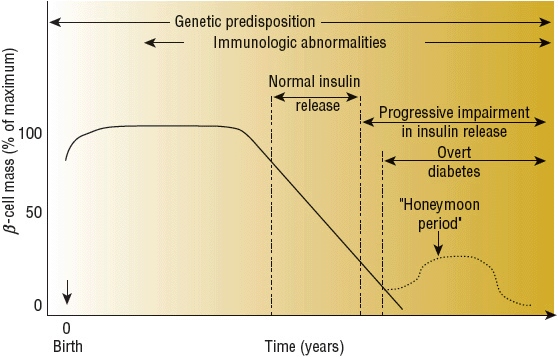
Type 1:
After initial presentation, honeymoon period often occurs where glycemic control can be achieved with little or no insulin treatment (residual cells still able to produce insulin). Once these cells destroyed→ complete insulin deficiency
Type 2:
Early on, glucose tolerance remains normal despite insulin resistance (B cells compensate with increased insulin production) with time: Insulin resistance and compensatory hyperinsulinism continue ⇒ cells are unable to maintain the hyperinsulinemic state which results in glucose intolerance and DM
Type 1:
Insulin
Type 2:
- Lifestyle modification
- Non-insulin anti-hyperglycemic agents → metformin should be the initial antihyperglycemic agent of choice. Additional agents to be selected on the basis of clinically relevant issues, such as glucose lowering effectiveness, risk of hypoglycemia, and effect on body weight
- Insulin therapy
Type 1: DKA if severe
Type 2: HHS, DKA if severe
- increased risk for spontaneous abortion and congenital malformations
- Macrosomia (big boiii 👶🏼)
- overweight/obese
- mother >35y
- multiparity (also prior signs of GD → macrosomia, fetal mortality)
- history of IFG or IGT
- excessive weight gain (during first 6month of pregnancy)
- PCOS
high risk before week 24 → negative → repeat week 24-28
moderate risk → week 24-28
- DM in pregnancy
- Gestational DM
Random Gluc >200 → check FPG or A1C → if FPG>126 or A1C>6.5% = diabetes mellitus in pregnancy
ONE of:
fasting >92
1h plasma gluc > 180
2h plasma gluc > 153
during pregnancy weeks 24-28
- DM1
- DM2
absulute insulin deficiency DM1
gluc cant get into cell → no energy → incr. in ketonbodies instead
LACK OF INSULIN OR STRESS
- interruption insulin treatment
- unadjusted insulin to CH intake
- 1st presentation (not diagnosed yet)
- Acute MI
- infection

- dehydration
- keton breath
- acidotic breath - Kussmal
- abdominal pain, nausea, vomiting
- altered mental state, coma
- ketonuria + plasma ketons
- fluid → i.v. NaCl (when Gluc low enough around 200 → switch to i.v. dextrose/gluc 5%)
- K-correction → in low K no insulin only fluids!!! when corrected or high K → insulin + fluid
- insulin (regular): 0.1U/kg bolus initally → than infusion 0.1U/kg/h
- Bicarbonate in severe acidosis (ph<7)
- Treatment of specific etiology

- Hyperglycemia (impaired uptake, incr. gluconeogenesis+glycogenolysis) → polyuria, water+electroly loss, polydipsia
- Incr. lipolysis → incr. FFA in blood → hepatic ketogenesis → ketonuria + pulmonary excretion
- Potassion depletion → incr. catabolism due to proteinolysis
relative insulin defic. DM2
often precipitated by stress (MI, spesis, stroke, drugs, trauma)
- hyperglycemia (750)
- Severe dehydration → Hypotension, tachycardia, dry skin
- Polyuria + Polydypsia
- Progressive alteration conciousness + coma
- pH + ketonbodies in acidosis in ketoacidosis (high anion gap)
- high osmolarity + extremely incr Gluc in HHS

same as DKA but without bicarbonate
- fluid→ i.v. NaCl (when Gluc low enough <300 → switch to i.v. dextrose/gluc 5%)
- K → no insulin when HypoK!
- insulin
<70
→dg for hypoglycemia

- Autonomic Alarm symptoms → due to catecholamines
- neuroglycopenic symptoms
- others


- too much insulin
- physical activity
- impaired gluconeogenesis (alcohol)
- rapidly absorbed carbohydrates (juice)
- glucose i.v.
- glucagon (subcutaneos or intranasal)
- Level: Alert-value: Gluc 54-70; pat can recognize the symptoms + can solve them by himself
- Level: Clinically signif. <54 → pat. still concious but might ask for help from another person
- Level: Severe → Person cant react (sev. cognitive impairment)

- Basics
- Microvascular complications
- Neuropathy
- Retinopathy
- Nephropathy
- Macrovascular complications
- Other complications + Co-morbidities
- Lifestyle Changes + Nutrition 🔒
💊 Pharmacotherapy DM 🔒
- Insulin Therapy
- Pharmacotherapy DM Type 2
🐡 Non-diabetic Hypoglycemia 🔒
🐷 Metabolic Syndrome, Obesity & Nutrition 🔒
- Nutrition
- Metabolic syndrome
- Obesity
🧈 Dyslipidemias 🔒
🧶 Hyperuricemia 🔒